A Push for More Organ Transplants Is Putting Donors at Risk
推动器官移植增加正将捐献者置于风险之中
People across the United States have endured rushed or premature attempts to remove their organs. Some were gasping, crying or showing other signs of life.
美国各地的人们忍受着器官被仓促或过早摘除的尝试。有些人喘不过气,哭泣或表现出其他生命迹象。

Misty Hawkins’s parents have not touched the bedroom of their daughter, who had a lifelong cognitive disability.
米斯蒂·霍金斯父母的女儿,一个有着终身认知障碍的女孩的卧室,他们一直没有触碰过。Credit…Wes Frazer for The New York Times
By Brian M. Rosenthal and Julie Tate
由 Brian M. Rosenthal 和 Julie Tate 撰写
Published July 20, 2025Updated July 21, 2025, 7:58 a.m. ET
Last spring at a small Alabama hospital, a team of transplant surgeons prepared to cut into Misty Hawkins. The clock was ticking. Her organs wouldn’t be usable for much longer.
去年春天,在阿拉巴马州一家小型医院,一组移植外科医生准备切开 Misty Hawkins 的身体。时间紧迫。她的器官很快将无法使用。
Days earlier, she had been a vibrant 42-year-old with a playful sense of humor and a love for the Thunder Beach Motorcycle Rally. But after Ms. Hawkins choked while eating and fell into a coma, her mother decided to take her off life support and donate her organs. She was removed from a ventilator and, after 103 minutes, declared dead.
几天前,她还是个充满活力的 42 岁女性,有着俏皮的幽默感和对雷声海滩摩托车节的热爱。但在霍金斯女士吃饭时窒息并陷入昏迷后,她的母亲决定将她从生命支持系统中撤下并捐献她的器官。她被从呼吸机中移除,经过 103 分钟,被宣告死亡。
A surgeon made an incision in her chest and sawed through her breastbone.
一位外科医生在她的胸部切开了切口,锯断了她的肋骨。
That’s when the doctors discovered her heart was beating. She appeared to be breathing. They were slicing into Ms. Hawkins while she was alive.
这时医生发现她的心跳仍在。她似乎在呼吸。他们在霍金斯女士还活着的时候切开了她的身体。
Across the United States, an intricate system of hospitals, doctors and nonprofit donation coordinators carries out tens of thousands of lifesaving transplants each year. At every step, it relies on carefully calibrated protocols to protect both donors and recipients.
在美国,一个由医院、医生和非营利性捐赠协调员组成的复杂系统每年执行数以万计的救命器官移植手术。在每一步,它都依赖于精心校准的规程来保护捐赠者和接受者。
But in recent years, as the system has pushed to increase transplants, a growing number of patients have endured premature or bungled attempts to retrieve their organs. Though Ms. Hawkins’s case is an extreme example of what can go wrong, a New York Times examination revealed a pattern of rushed decision-making that has prioritized the need for more organs over the safety of potential donors.
但近年来,随着该系统推动增加移植手术,越来越多的患者经历了器官获取的过早或混乱尝试。尽管霍金斯女士的案例是可能发生问题的极端例子,但《纽约时报》的调查揭示了一种优先考虑器官需求而非潜在捐献者安全的仓促决策模式。
In New Mexico, a woman was subjected to days of preparation for donation, even after her family said that she seemed to be regaining consciousness, which she eventually did. In Florida, a man cried and bit on his breathing tube but was still withdrawn from life support. In West Virginia, doctors were appalled when coordinators asked a paralyzed man coming off sedatives in an operating room for consent to remove his organs.
在新墨西哥州,一位女性在家人表示她似乎在恢复意识后,仍经历了数天的捐赠准备,最终她确实恢复了意识。在佛罗里达州,一个男人哭泣并咬住呼吸管,但仍被撤离生命支持。在西弗吉尼亚州,当协调员在手术室中要求一位瘫痪的、正在停用镇静剂的患者同意摘除其器官时,医生们感到震惊。
Stories like these have emerged as the transplant system has increasingly turned to a type of organ removal called donation after circulatory death. It accounted for a third of all donations last year: about 20,000 organs, triple the number from five years earlier.
随着移植系统越来越多地转向一种称为循环死亡后捐赠的器官移除方式,这类故事逐渐浮现。去年,这种方式占所有捐赠的三分之一:约 20,000 个器官,是五年前的三倍。
Most donated organs in the United States come from people who are brain-dead — an irreversible state — and are kept on machines only to maintain their organs.
美国大部分捐赠器官来自脑死亡者——一种不可逆转的状态——他们仅靠机器维持器官功能。
Circulatory death donation is different. These patients are on life support, often in a coma. Their prognoses are more of a medical judgment call.
循环死亡捐赠则不同。这些患者处于生命支持状态,通常昏迷。他们的预后更多是医疗判断。
They are alive, with some brain activity, but doctors have determined that they are near death and won’t recover. If relatives agree to donation, doctors withdraw life support and wait for the patient’s heart to stop. This has to happen within an hour or two for the organs to be considered viable. After the person is declared dead, surgeons go in.
他们活着,有一些脑活动,但医生已经确定他们接近死亡且无法恢复。如果亲属同意捐赠,医生会撤除生命支持系统,并等待患者的心跳停止。这必须在一到两个小时之内完成,否则器官将被视为不可用。在宣布患者死亡后,外科医生才会进行手术。
The Times found that some organ procurement organizations — the nonprofits in each state that have federal contracts to coordinate transplants — are aggressively pursuing circulatory death donors and pushing families and doctors toward surgery. Hospitals are responsible for patients up to the moment of death, but some are allowing procurement organizations to influence treatment decisions.
《纽约时报》发现,一些器官获取组织——即各州负责协调移植的非营利机构,并拥有联邦合同——正积极追求循环死亡捐献者,并推动家属和医生进行手术。医院对病人负有责任直至死亡时刻,但有些医院允许获取组织影响治疗决策。
Fifty-five medical workers in 19 states told The Times they had witnessed at least one disturbing case of donation after circulatory death.
19 个州的 55 名医疗工作者告诉《纽约时报》,他们至少目睹过一起令人不安的循环死亡后捐献案例。
Workers in several states said they had seen coordinators persuading hospital clinicians to administer morphine, propofol and other drugs to hasten the death of potential donors.
几个州的工人表示,他们见过协调员说服医院临床医生给予吗啡、丙泊酚和其他药物,以加速潜在捐献者的死亡。
Editors’ Picks 编辑精选
“I think these types of problems are happening much more than we know,” said Dr. Wade Smith, a longtime neurologist at the University of California, San Francisco, who frequently evaluates potential donors and has studied donation after circulatory death.
加州大学旧金山分校的资深神经学家 Wade Smith 博士表示:“我认为这类问题比我们知道的要普遍得多。”
A recent federal investigation — prompted by the case of a Kentucky man whose organs were pursued even as he shook his head and drew his knees to his chest — found that the state’s procurement organization had ignored signs of increasing consciousness in 73 potential donors.
最近的一项联邦调查——由一名肯塔基州男子引发,该男子在器官被追索时摇着头并将膝盖收向胸前——发现该州的采购组织忽视了 73 名潜在捐献者意识增强的迹象。
In interviews with health care workers, as well as a review of internal records, audio recordings and text messages, The Times confirmed 12 additional cases in nine states that troubled medical workers or were being investigated.
在采访医护人员以及审查内部记录、音频录音和短信后,《纽约时报》确认了 9 个州中 12 个额外的案例,这些案例困扰着医疗工作者或正在接受调查。
Most of these patients ultimately died, so it is impossible to know what they experienced. Doctors expressed worry that some patients might have recovered if given more time on life support. Other patients may have felt pain or emotional distress in the last hours of their lives.
这些患者中大多数最终死亡,因此无法知道他们经历了什么。医生表示担心,如果给予更多生命支持时间,一些患者可能已经康复。其他患者在生命的最后几小时可能感到疼痛或情绪困扰。
The questions have taken on greater urgency as this type of donation has grown rapidly in the last five years, driven in part by federal pressure on procurement organizations to increase transplants. At the same time, the government has largely allowed the transplant system to police itself.
随着这种捐献方式在过去五年中迅速增长,这些问题变得更加紧迫,部分原因是联邦政府向采购机构施压,要求增加移植数量。同时,政府基本上允许移植系统自行监管。
In interviews, leaders of the system said that donation after circulatory death was safe and critical to saving thousands of lives every year.
在采访中,该系统负责人表示,循环死亡后的器官捐献是安全的,并且对每年挽救数千人的生命至关重要。
The Association of Organ Procurement Organizations, a trade group, said in a statement that potential donors receive the same quality of care as any other patient until a doctor declares them dead. Decisions about patient care and declarations of death “are the sole responsibilities of the hospital team,” the statement said.
器官获取组织协会,一个行业协会,在声明中说,潜在的捐献者在医生宣布他们死亡之前,会与其他患者获得同等质量的护理。声明称,关于患者护理和死亡宣告的“决定是医院团队唯一的职责”。
The association said it was misguided to focus on a small number of cases with bad outcomes. “These stories paint a frightening, inaccurate and unbalanced view of our system,” it said.
该协会表示,关注少数结果不良的案例是错误的。“这些故事描绘了我们对系统令人恐惧、不准确和不平衡的视角,”该协会表示。
Several groups representing hospitals didn’t respond to requests for comment. The U.S. Department of Health and Human Services, whose agencies oversee hospitals and procurement organizations, said in a statement that it was improving patient protections.
几个代表医院的团体没有回应评论请求。负责监管医院和采购组织的美国卫生与公众服务部表示,在一份声明中,它正在加强患者保护。
Dr. Robert Cannon, a transplant surgeon at the University of Alabama at Birmingham, said he believed the system was hesitant to confront safety lapses during circulatory death donations, out of fear that people would stop donating.
阿拉巴马大学伯明翰分校的移植外科医生罗伯特·坎农博士表示,他认为系统在循环死亡捐赠中不愿面对安全漏洞,是因为担心人们会停止捐赠。
“I don’t know the scope of the problem. I don’t know that anybody does,” he said. “That’s the scary thing.”
“我不知道问题的范围。我不知道任何人知道,”他说。“这才是可怕的地方。”
A Beating Heart 一颗跳动的心脏
Ms. Hawkins, who had a lifelong cognitive disability, lived with her mother and stepfather in Midland City, Ala. She loved movies and dancing around the living room to Alan Jackson songs. She insisted on celebrating her birthday for the entire month of August.
霍金斯女士,她一生都有认知障碍,与母亲和继父一起住在阿拉巴马州的米德兰市。她喜欢看电影,喜欢在客厅里跳艾伦·杰克逊的歌曲。她坚持要庆祝整个八月份的生日。
She was eating lunch at home on May 21, 2024, when she choked on a peanut butter and jelly sandwich. Her stepfather called 911, and doctors at Flowers Hospital in nearby Dothan removed the obstruction, but her brain suffered oxygen deprivation that left her comatose on a ventilator, records show.
2024 年 5 月 21 日,她在家里吃午餐时,被花生酱和果酱三明治噎住。她的继父拨打了 911,附近多汉的弗劳尔斯医院医生排除了阻塞,但她的脑部缺氧导致她陷入昏迷,需要呼吸机维持生命,记录显示。
Her mother, Faye Johnson, raced to the hospital from her job at a car dealership. Doctors said Ms. Hawkins would never again breathe on her own and gave her mother 72 hours to decide whether to move her to a nursing home or withdraw life support. Ms. Johnson did not want her daughter to suffer. She asked about organ donation, she said, because she wanted some good to come of the tragedy.
她的母亲费伊·约翰逊从汽车经销商的工作地匆忙赶往医院。医生表示,霍金斯女士将再也无法自主呼吸,并给了她的母亲 72 小时的时间决定是将她转移到养老院还是撤除生命支持。约翰逊女士不希望女儿遭受痛苦。她说,她询问器官捐赠事宜,是因为她希望这场悲剧能带来一些好的结果。
Alabama’s procurement organization, Legacy of Hope, coordinated the donation. It ran tests, chose recipients and arranged for an outside company, TransMedics, to send surgeons to remove the organs.
阿拉巴马州的采购组织希望遗产协调了捐赠事宜。他们进行了测试,选择了接受者,并安排外部公司 TransMedics 派遣外科医生来摘取器官。
Ms. Hawkins was wheeled to an operating room. Her family said a final goodbye.
霍金斯女士被推入手术室。她的家人进行了最后的告别。
Flowers Hospital is a Level III trauma center, meaning it lacks some of the capabilities of larger institutions. It rarely handles circulatory death donation, data shows. Ms. Hawkins was one of just three attempts last year.
弗劳尔斯医院是一家三级创伤中心,这意味着它缺乏一些大型机构的某些能力。数据显示,该医院很少处理循环死亡捐赠。霍金斯女士是去年仅有的三次尝试之一。
In the operating room, a hospital doctor took Ms. Hawkins off the ventilator and gave her drugs for comfort. The doctor declared her dead 103 minutes later, near the outer limit of organ viability.
手术室里,一位医院医生将霍金斯女士从呼吸机上取下,并给她用药以缓解痛苦。103 分钟后,医生宣布她死亡,此时已接近器官存活的外部极限。
The surgeons entered the room. They began operating after a five-minute waiting period. All circulatory death donations require a waiting period to ensure the heart does not restart.
外科医生进入房间。在五分钟的等待期后,他们开始手术。所有循环死亡捐赠都需要等待期,以确保心脏不会重新启动。
Almost immediately, they saw Ms. Hawkins’s heart moving. Records reviewed by The Times characterized the movement differently: Legacy of Hope called it “reanimation,” as did Flowers, which also said the heart “fluttered.” An H.H.S. review of the case said the heart was beating strongly enough to pump blood through the body.
几乎立刻,他们看到霍金斯女士的心脏在跳动。据《纽约时报》审查的记录描述不同:希望遗产组织称其为“复活”,花语公司也这样称,并表示心脏“扑通扑通跳动”。H.H.S.对该案件审查称,心脏跳动足够强劲,能够将血液泵遍全身。
Records from the procurement organization also noted “subsequent gasping respirations,” a type of breathing.
采购机构的记录还注明了“后续喘息式呼吸”,这是一种呼吸方式。
The surgeons stopped and left the room. Another doctor sewed up Ms. Hawkins. It is unclear if she was given any anesthetic. Twelve minutes later, she was again declared dead.
外科医生停下了工作并离开了房间。另一位医生为霍金斯女士缝合伤口。不清楚她是否接受了麻醉。十二分钟后,她再次被宣布死亡。
Ms. Johnson was on her way home when she received a call from Legacy of Hope. A coordinator said her daughter’s organs had not been used, but did not tell her what had happened. Nor did Flowers. Ms. Johnson learned the details from The Times more than a year later.
约翰逊女士在家途中接到希望遗产的来电。一位协调员说她的女儿的器官未被使用,但没有告诉她发生了什么。弗劳尔斯也没有告知。约翰逊女士在一年多后从《时代》杂志了解到详细情况。
Image

Ms. Hawkins’s urn in her parents’ home, flanked by photographs of her.
霍金斯女士父母家中的骨灰盒,两侧摆放着她的照片。Credit…Wes Frazer for The New York Times
Five doctors with expertise in critical care who independently reviewed Ms. Hawkins’s records at The Times’s request said it was all but impossible that her heart restarted after the waiting period. Research has found that when people are taken off life support, their hearts do not restart on their own after five minutes.
据《纽约时报》要求,五位在重症监护领域具有专业知识的医生独立审查了霍金斯女士的病历后表示,在等待期间她的心脏几乎不可能自行恢复跳动。研究表明,当人们脱离生命支持系统后,五分钟后心脏不会自行恢复跳动。
The doctors said they were particularly struck by indications that Ms. Hawkins was breathing, which meant she had at least minimal brain activity. They each said the declaration of death was very likely premature.
医生们表示,他们尤其被霍金斯女士有呼吸迹象的消息所打动,这意味着她至少还有最低限度的脑活动。他们每个人都表示,死亡宣告很可能过早。
“I highly doubt that proper procedures were followed, because if they’re followed correctly, this could not happen,” said Dr. Robert Truog, a Harvard University bioethicist who serves on a transplant system working group on circulatory death donation.
“我非常怀疑是否遵循了正确的程序,因为如果程序正确执行,这种情况就不可能发生,”哈佛大学生物伦理学家、担任循环死亡器官捐赠移植系统工作组医生的罗伯特· truog 博士说。
In a statement, Flowers Hospital said it had correctly followed its protocols. “Misty Hawkins was declared deceased by a very experienced and highly reputable member of our medical staff, and that happened only after five minutes with no cardiopulmonary function or vital signs,” it said.
在一份声明中,Flowers 医院表示其正确遵循了相关协议。“Misty Hawkins 已被我们经验丰富且享有盛誉的医疗团队中的一名成员宣布死亡,而这一决定是在五分钟内,且其心肺功能或生命体征均不存在的情况下做出的,”该医院表示。
The hospital declined to comment on the improbability of a heart restarting after five minutes or on the procurement organization’s records saying Ms. Hawkins was breathing.
医院拒绝就心脏在五分钟后重启的可能性以及采购机构的记录称霍金斯女士在呼吸一事发表评论。
TransMedics said in a statement that its surgeons “immediately stopped the procedure once they saw that the donor’s heart was beating” and notified Legacy of Hope. The procurement organization declined to comment on the case.
TransMedics 在声明中表示,其外科医生“一旦发现捐赠者心脏跳动便立即停止了手术”,并通知了 Legacy of Hope。该采购组织拒绝就此事发表评论。
A contractor working for H.H.S. investigated and found “no deficiencies” at the hospital or procurement organization, according to letters reviewed by The Times. H.H.S. declined to provide further details.
据《纽约时报》审查的信函显示,受 H.H.S.雇佣的承包商调查后称,医院或采购机构“没有缺陷”。H.H.S.拒绝提供更多细节。
Ms. Johnson said she was still struggling to understand the loss of her daughter and desperately hoped she had not suffered during surgery. More than a year later, she still speaks to her every day. Her daughter’s bedroom remains as it was when she was alive.
约翰逊女士表示,她仍在努力理解失去女儿的感受,并绝望地希望她在手术过程中没有遭受痛苦。一年多过去了,她仍然每天和女儿说话。女儿的卧室依然保持着她生前时的样子。
“I just wish I knew what really happened,” she said.
“我只想知道到底发生了什么,”她说。
Rushing Donations 紧急捐献
Circulatory death donation used to be largely forbidden. That began to change in the 1990s, when a dying patient asked the University of Pittsburgh Medical Center to remove her life support and donate her organs. The hospital honored her wishes, then spent two years creating guidelines for future cases. Use of the practice gradually spread.
循环死亡捐献曾经被严格禁止。这一情况在 20 世纪 90 年代开始改变,当时一位濒死的患者请求匹兹堡大学医学中心撤除其生命支持系统并捐献器官。医院尊重了她的遗愿,随后用两年时间制定了未来案例的指导方针。该实践的使用逐渐推广。
Procurement organizations attributed the procedure’s recent growth to technological advances. Dozens of employees at the organizations said it was largely because of government pressure.
采购机构将近期程序增长归因于技术进步。该机构的数十名员工表示,这主要是因为政府压力。
Citing the number of Americans waiting for organs, H.H.S. said in 2020 that it would begin grading procurement organizations on how many transplants they arranged. The department has threatened to end its contracts with groups performing below average, starting next year. Many have raised their numbers by pursuing more circulatory death donors.
援引等待器官移植的美国人数量,H.H.S.部门在 2020 年表示,将开始对采购机构安排的移植数量进行评级。该部门威胁称,从明年起将终止表现低于平均水平的机构的合同。许多人通过增加循环死亡捐献者数量来提高移植数量。
Employees said some organizations had blown past safeguards, potentially rushing the process. For instance, coordinators are not supposed to approach a patient’s relatives until the family has decided to withdraw life support, but workers said that rule was frequently violated.
员工表示,一些机构已经绕过了安全措施,可能加速了流程。例如,协调员在家庭决定撤除生命支持之前就不应该接触患者的亲属,但工作人员称该规定经常被违反。
After relatives agree, it can take several days to prepare for organ retrieval. During this time, the hospital is supposed to keep treating the patient, including looking for signs of recovery.
亲属同意后,器官获取的准备可能需要几天时间。在此期间,医院应继续治疗患者,包括寻找康复迹象。
In reality, said 16 workers at hospitals in a dozen states, once patients are approved for donation, hospitals sometimes put them in the care of young residents or fellows who tend to defer to procurement organizations.
据十几个州医院 16 名工作人员透露,现实中,一旦患者被批准捐赠器官,医院有时会将他们交给年轻的住院医师或研究员,这些人往往倾向于听从采购机构。
Dr. Alejandro Rabinstein, chair of hospital neurology at the Mayo Clinic, said medical workers sometimes lacked the experience to tell whether a patient’s movements were a sign of recovery or meaningless reflexes. “Training can be a real issue, especially in smaller hospitals,” he said.
梅奥诊所医院神经学主席亚历杭德罗·拉宾斯坦博士表示,医护人员有时缺乏经验来判断患者运动是康复的迹象还是无意义的反射。“培训可能是一个真正的问题,尤其是在较小的医院中,”他说。
The federal investigation noted that Kentucky’s procurement organization often failed to recognize that illegal drugs or hospital-administered sedatives could make patients seem less neurologically healthy than they were.
联邦调查指出,肯塔基州的采购组织经常未能认识到非法药物或医院 administered 的镇静剂可能使患者看起来比实际神经学健康状况更差。
Recent research also has called into question longstanding assumptions about human consciousness.
最近的研究也对人类意识的长期假设提出了质疑。
Image
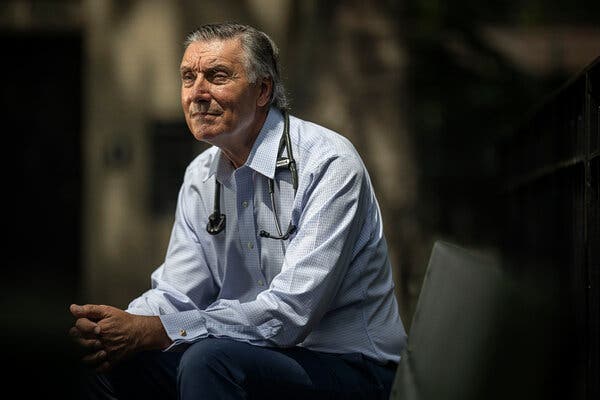
Dr. Michael DeVita led the writing of the original protocols in Pittsburgh for circulatory death donation. “My concern from Day 1 of doing this was that people may abuse the system,” he said.
迈克尔·德维塔博士领导了在匹兹堡为循环死亡捐赠制定的原始方案。“从一开始,我就担心人们可能会滥用这个系统,”他说。Credit…Dave Sanders for The New York Times
大卫·桑德斯,《纽约时报》
A study published last year in The New England Journal of Medicine reported that 25 percent of patients who were thought to be unresponsive actually might have awareness, even if they couldn’t communicate. Another study, although small, found that when doctors predicted in the first 72 hours that a patient would not recover from a traumatic brain injury, they were frequently wrong.
《新英格兰医学杂志》去年发表的一项研究报道称,被认为无反应的 25%患者实际上可能具有意识,即使他们无法沟通。另一项研究虽然规模较小,但发现当医生在最初 72 小时内预测患者不会从创伤性脑损伤中恢复时,他们经常是错误的。
Still, circulatory death donation has come to be widely accepted as crucial to reducing the national organ shortage. Dr. Joseph Scalea, a transplant surgeon at the Medical University of South Carolina, called it “one of the most impactful innovations in accessing more organs for patients in need.”
然而,循环死亡捐赠已被广泛接受为减少国家器官短缺的关键。南卡罗来纳医科大学移植外科医生约瑟夫·斯凯莱博士称其为“获取更多急需器官患者的最具有影响力的创新之一。”
More than 100,000 people are waiting for an organ in the United States, and many won’t receive one. Recently, the system has set transplant records largely because of circulatory death donation, data shows. Organs from these patients were transplanted into 43,500 people from 2020 through last year.
美国有超过 10 万人等待器官移植,其中许多人将无法获得。数据显示,近年来该系统因循环死亡捐赠创下移植记录。这些患者的器官从 2020 年到去年已移植给 43,500 人。
‘What a Disaster’ “灾难”
Health care workers across the country recounted cases that haunted them.
全国各地的医护人员讲述了让他们难以忘怀的案例。
Bryany Duff, a surgical technician in Colorado, said one patient, a middle-aged woman, was crying and looking around. But doctors sedated her and removed her from a ventilator, according to Ms. Duff and a former colleague.
科罗拉多州的一名外科技术员布莱安尼·达夫表示,一名中年女性患者当时正哭泣着四处张望。据达夫女士和一名前同事称,医生对她进行了镇静,并将其从呼吸机中移除。
The patient did not die in time to donate organs but did so hours later. “I felt like if she had been given more time on the ventilator, she could have pulled through,” Ms. Duff said. “I felt like I was part of killing someone.”
该患者未能及时捐献器官,而是在几小时后才离世。“我感觉如果她能在呼吸机上多待一会儿,就有可能挺过来,”达夫女士说。“我感觉自己像是参与了一场谋杀。”
Afterward, Ms. Duff quit her job and temporarily left the field. “It really messed with me for a long time,” she said. “It still does.”
随后,达芙女士辞去了工作,暂时离开了该领域。“这件事让我很长时间都深受困扰,”她说。“至今仍然如此。”
Image
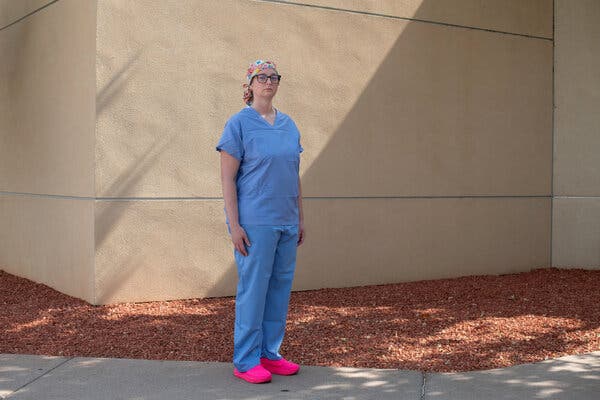
“I felt like if she had been given more time on the ventilator, she could have pulled through,” Bryany Duff, a surgical technician, said of a case that haunted her.
“我感觉如果她能在呼吸机上多待一会儿,她就有可能挺过来,”外科技术员布莱安妮·达夫在谈到一个让她困扰的案例时说。Credit…Rachel Woolf for The New York Times
《纽约时报》的雷切尔·伍尔夫
In Miami in 2023, a potential donor who had broken his neck began crying and biting on his breathing tube, which a procurement organization worker said he interpreted as him not wanting to die. But clinicians sedated the patient, withdrew life support, waited for death and removed the organs, according to the worker and a colleague he told at the time.
2023 年,迈阿密一名颈骨折断的潜在捐献者开始哭泣并咬住呼吸管,采购组织的工作人员表示,他将此解释为患者不想死。据该工作人员及其当时告知的同事称,临床医生对病人进行了镇静,撤除了生命支持,等待死亡后移除了器官。
In West Virginia, doctors were taken aback after Benjamin Parsons, a 27-year-old man paralyzed in a car accident, was brought to an operating room and asked to consent to donating his organs as he was coming off sedatives.
在弗吉尼亚州,一名 27 岁的男子本杰明·帕森斯在车祸中瘫痪,被送往手术室时,医生们感到震惊,因为在他逐渐清醒的过程中,被要求同意捐献器官。
Communicating through blinks, he indicated that he did not give permission. Still, coordinators initially wanted to move forward, according to text messages and interviews.
通过眨眼交流,他表明没有给予许可。然而,根据短信和采访,协调人员最初仍想继续推进。
Mr. Parsons’ brother Andrew told The Times that the family had authorized the donation and believed his brother had blinked his agreement several times in the hours before the procedure, when sedation had been dialed down. He changed his mind in the operating room, said Andrew Parsons, who added that the procurement organization had been compassionate.
帕森斯先生的兄弟安德鲁告诉《泰晤士报》,家人已经授权捐赠,并且相信在手术前数小时,当镇静剂剂量降低时,他的兄弟曾多次表示同意。安德鲁·帕森斯说,他在手术室改变了主意,并补充说,采购组织表现出了同情心。
In a text exchange that day, doctors involved in the case said that without a full neurological exam under no sedation, it was unclear whether Mr. Parsons was lucid enough to consent. “What a disaster and handled COMPLETELY inappropriately,” one doctor wrote. Mr. Parsons chose to go off life support two days later and died without donating. A transplant system oversight committee has been investigating the case.
在那天的文字交流中,参与该案的医生表示,如果没有在无镇静剂的情况下进行全面的神经系统检查,就不清楚帕森斯先生是否足够清醒以做出同意。一位医生写道:“多么灾难性的情况,处理得完全不恰当。”帕森斯先生两天后选择脱离生命支持,最终未捐赠器官死亡。一个移植系统监管委员会正在调查此案。
The procurement organizations for Miami and that part of West Virginia declined to discuss the cases, citing privacy laws. The Colorado group did not respond to requests for comment.
迈阿密和西弗吉尼亚州那部分采购机构以隐私法为由拒绝讨论这些案件。科罗拉多州那组机构未对评论请求作出回应。
The Times spoke with workers who described other cases in North Dakota, Pennsylvania, Texas and Washington.
《纽约时报》采访了描述北达科他州、宾夕法尼亚州、德克萨斯州和华盛顿州其他案例的工人。
For years, the transplant system, the Organ Procurement and Transplantation Network, has largely governed itself. Its oversight committee reviews complaints but has rarely acted against the hospitals and 55 procurement organizations that make up its membership, The Times has reported.
多年来,移植系统——器官获取与移植网络——基本上由其自身管理。其监督委员会会审查投诉,但很少对构成其成员的医院和 55 个采购组织采取行动,据《纽约时报》报道。
The federal government increased oversight after an explosive House committee hearing last September.
联邦政府在去年 9 月一次爆炸性国会委员会听证会后加强了对该领域的监管。
The hearing was about the general performance of the transplant system, but was upended by testimony about the Kentucky man, who awoke just as he was about to be removed from life support in 2021. The man, Anthony Thomas Hoover, is still alive. He has neurological injuries and cannot recount what he experienced.
听证会原本是关于移植系统的整体表现,但被一位肯塔基州男子的事证所打断。这位名叫安东尼·托马斯·霍弗的男子在 2021 年即将被脱离生命支持时醒来,目前仍活着。他患有神经系统损伤,无法回忆起当时的经历。
An investigation by the transplant system found “no major issues.” But an H.H.S. agency conducted its own inquiry and identified widespread problems, The Times has reported. The department directed the Kentucky procurement organization to perform regular neurological tests on potential donors and ordered transplant officials to develop a way for clinicians to pause donations when they believe patients are improving.
移植系统的调查发现“没有重大问题”。但 H.H.S.机构自行展开调查,并发现了普遍问题,据《纽约时报》报道。该部门指示肯塔基州采购组织对潜在捐赠者进行定期神经系统检查,并要求移植官员制定一种方法,以便临床医生在认为患者情况改善时暂停捐赠。
The department is examining other cases, records show. But it has not disclosed any of its investigations or findings. The House committee has scheduled another hearing for Tuesday.
该部门正在审查其他案件,记录显示。但尚未披露其任何调查或发现。众议院委员会已定于周二举行另一次听证会。
Mr. Hoover’s story shocked many people, but it sounded familiar to Danella Gallegos.
霍华德先生的经历让许多人震惊,但对丹尼尔拉·加拉戈斯来说却似曾相识。
In 2022, when she was 38 and homeless, Ms. Gallegos was hospitalized and went into a coma. Doctors at Presbyterian Hospital in Albuquerque told her family she would never recover.
2022 年,当时 38 岁的加拉戈斯女士无家可归,被送入医院并陷入昏迷。阿尔伯克基市长老会医院的医生告知她的家人,她将永远无法恢复。
Her relatives agreed to donation, but as preparations began, they saw tears in her eyes. Their concerns were dismissed, according to interviews with the family and eight hospital workers. Donation coordinators said the tears were a reflex. (Tears can be an involuntary response to irritants.)
她的亲属同意进行器官捐献,但在准备工作开始时,他们看到她眼中含泪。据与家属和八名医院工作人员的采访,捐献协调员表示眼泪是反射性的。(眼泪可能是对刺激物的无意识反应。)
On the day of the planned donation, Ms. Gallegos was taken to a pre-surgery room, where her two sisters held her hands. A doctor arrived to withdraw life support. Then a sister announced she had seen Ms. Gallegos move. The doctor asked her to blink her eyes, and she complied. The room erupted in gasps.
在计划捐赠当天,加莱戈斯女士被带到术前准备室,她的两个姐姐握着她的手。一名医生到来撤除生命支持系统。随后,一名姐姐宣布她看到加莱戈斯女士动了。医生让她眨眼,她照做了。房间里爆发出惊呼声。
Still, hospital workers said, the procurement organization wanted to move forward. A coordinator said it was just reflexes and suggested morphine to reduce movements. The hospital refused. Instead, workers brought her back to her room, and she made a full recovery.
然而,医院工作人员表示,采购组织希望继续进行。一名协调员称这只是本能反应,并建议使用吗啡来减少活动。医院拒绝了。相反,工作人员将她送回病房,她完全康复了。
Image

Danella Gallegos was being prepared for organ donation when she showed signs of consciousness. She went on to make a full recovery.
丹尼尔拉·加拉戈斯在准备器官捐献时出现意识恢复迹象,随后完全康复。Credit…Nina Riggio for The New York Times
《纽约时报》的妮娜·里吉奥
Two years later, after hearing about Mr. Hoover, Ms. Gallegos filed a complaint with H.H.S., which opened an investigation.
两年后,在了解到霍华德先生的情况后,加莱戈斯女士向卫生与公众服务部(H.H.S.)提起了投诉,该部门随即展开调查。
Presbyterian made the treatment decisions, but hospital workers said they faced pressure from the procurement organization, New Mexico Donor Services.
长老会医院负责治疗决策,但医院工作人员表示,他们受到了采购组织——新墨西哥捐赠服务处的压力。
“All they care about is getting organs,” said Neva Williams, a veteran intensive care nurse at the hospital. “They’re so aggressive. It’s sickening.”
“他们唯一关心的是获取器官,”该医院的一名资深重症监护护士内瓦·威廉姆斯说。“他们非常激进。这令人作呕。”
In a statement, Donor Services said that it does not interfere with medical decision-making and that hospitals are in charge of patient care. Presbyterian noted that Donor Services was responsible for managing all aspects of the donation process but said it was reviewing Ms. Gallegos’s case.
在一份声明中,捐赠服务部门表示,其不会干预医疗决策,医院负责患者护理。长老会指出,捐赠服务部门负责管理捐赠过程的各个方面,但表示正在审查加拉戈斯女士的案例。
Ms. Gallegos said in a recent interview she did not remember much about what had happened in the hospital. She recalled feeling fear but not pain.
加莱戈斯女士在一次最近的采访中说,她不记得在医院里发生了什么。她回忆起自己感到害怕,但没有感到疼痛。
“I feel so fortunate, obviously,” she said, “but it’s also crazy to think how close things came to ending differently.”
“我感到非常幸运,很明显,”她说,“但想到事情差点就走向不同的结局,也真是疯狂。”