https://www.aol.com/articles/flew-15-hours-air-chinas-155649276.html
我三岁的女儿在中国上学的第一天哭了。她在教室里紧紧抱着我,不肯放手。这让我很震惊,因为在过去一年里,她一直很开心地在洛杉矶上幼儿园。
My 3-year-old daughter cried on her first day of school in China. She clutched onto me in the classroom and didn’t want to let go. This came as a shock since she had spent the previous year happily attending preschool in Los Angeles.
让我惊讶的并不是她的反应,而是我自己内心的不安。
What surprised me wasn’t her reaction — it was how unsettled I felt.
一位老师用中文对我说:“别担心,赶紧离开吧,我们会照顾好她的。”我照做了,但心里却揪着一团担忧。
“Don’t worry,” one teacher said in Chinese. “Just leave quickly, and we’ll take care of her.” I followed her advice with a knot of worry in my stomach.
作为一位第一次当妈妈的人,我对把她送进一个完全陌生的环境感到焦虑:不同的语言、不同的文化,还有陌生的面孔。
As a first-time mother, I felt anxious about putting her in a completely unfamiliar environment: a different language, a different culture, and new faces.
几分钟后,我的手机响了。老师打电话告诉我,我离开后,女儿已经不哭了,还开始四处打量教室。
Minutes later, my phone rang. A teacher called to tell me that after I left, my daughter had stopped crying and started looking around the classroom.
像许多追逐“美国梦”的第一代华裔一样,我花了十年时间完成那些重要的人生节点:读研、成为一名全职记者、早早结婚,最终成为母亲。
Like many first-generation Chinese Americans chasing the “American dream,” I spent a decade checking off the big milestones: graduate school, a full-time job as a journalist, marrying young, and eventually becoming a parent.
过去13年里,我和丈夫一直生活在这种美国式的节奏中。很长一段时间,在美国抚养孩子对我们来说不仅自然,而且理性。
My husband and I have lived in that American rhythm for the past 13 years. For a long time, raising our child in the US felt not only natural but rational.
家庭时光
Family time
这个冬天,我回到中国青岛,与家人一起庆祝春节,这是我十年来的第一次。我想念家庭团聚、节日的氛围,还有家乡的食物。
This winter, I returned to Qingdao, China, to celebrate Lunar New Year with my family for the first time in 10 years. I missed the family reunions, the festive atmosphere, and the food from my hometown.
我特别期待带上女儿,她从未体验过这个节日。为了让她更好地融入中国文化,我决定在这两个月的停留期间,让她进入当地的一所学校。
I was especially excited to bring my daughter, who had never experienced the holiday. To help her immerse herself in Chinese culture, I decided to enroll her in a local school during our two-month stay.
很快,我就注意到教室的布置与她在美国的幼儿园有很大不同。教室里挂满了红灯笼,还有孩子们制作的春节手工。而在美国,这个节日往往在公共空间中被忽略。
Right away, I noticed how different the classroom looked compared with her preschool in the US. The room was decorated with red lanterns and Lunar New Year crafts made by the children. In the US, the holiday often goes unnoticed in public spaces.
我没有想到,我会如此强烈地感受到两种教育体系之间的差异。
I didn’t expect how strongly I would feel the differences between the two education systems.
老师会不断更新情况
Teachers constantly kept me updated
第二天,当我在一家本地咖啡馆工作时,手机突然震动起来。
On the second day, my phone buzzed while I was working at a local coffee shop.
老师发来了几条消息。一开始我很紧张——在洛杉矶,这通常意味着出了什么问题。但这些消息却出乎意料地详细。
The teacher had sent a couple of messages. At first, I panicked — in LA, that usually meant something had gone wrong. Instead, the messages were surprisingly detailed.
“您好,Oli妈妈,她今天状态很好。午餐开始吃蔬菜了,下午还喝了一些牛奶。”老师用中文写道,还附上了10张特写照片。
“Hi, Oli’s mom, she’s doing great today. She started eating vegetables at lunch and had some milk in the afternoon,” the teacher wrote in Chinese. The message was followed by 10 close-up photos.
我看到女儿一边吃饭一边微笑、滑滑梯、读书,还和其他孩子一起玩。这是我第一次如此清楚地看到她在学校的一天。
I saw my daughter smiling while eating, going down a slide, reading books, and playing with other kids. It was the first time I had such a clear picture of what her day at school looked like.
接下来的几周,我每天都能收到类似的更新。
Over the following weeks, I received similar updates every day.
而在洛杉矶,我通常只知道她的大致日程,很少了解她一天的具体情况。偶尔学校的Facebook页面会出现一张合影,但往往夹杂着其他班级的照片。
In LA, I rarely knew what my daughter’s school day looked like beyond a general schedule. Occasionally, a group photo would appear on the school’s Facebook page, mixed in with pictures from other classes.
用餐情况被密切关注
Mealtimes were closely monitored
每天,老师还会向我更新她的饮食、午睡和情绪状况。
Every day, the teacher also updated me about her eating, napping, and mood.
有一天,他们告诉我,因为女儿不喜欢米饭和蔬菜,厨房特地为她准备了另一份餐食。
One day, they told me that since my daughter didn’t like the rice and vegetables, the kitchen had made a different meal just for her.
“我们给她换成了面包和饼干,她很喜欢!”老师写道。
“We switched her meal to bread and a cookie. She likes it!” the teacher wrote.
让我惊讶的不是她吃了什么,而是学校对孩子饮食习惯的关注程度。
I was surprised — not because of what she ate, but because of how closely the school monitored the children’s eating habits.
而在洛杉矶,我通常只能通过查看饭盒来猜测她吃了多少,除非我主动询问,老师很少提及。
Back in LA, I usually guessed how much she ate by checking her lunchbox. Teachers rarely discussed it unless I asked.
一个艰难但重要的决定
The right decision
青岛的这所学校在校园里有一个小农场,天气允许时,孩子们会去喂兔子和鸭子。
The school in Qingdao has a small farm on campus. The children feed rabbits and ducks when the weather allows.
天气寒冷时,他们会在室内体育馆活动。
On colder days, they play in an indoor gym.
而她在洛杉矶的幼儿园有一大片草地,孩子们可以在户外奔跑玩耍。看到这些不同的环境,我意识到,童年在很大程度上是由成长的地方塑造的。
Her preschool in LA had a large lawn where kids could run around and play outside. Seeing these different setups made me realize how much childhood is shaped by where you grow up.
在课堂上,中国的学校对屏幕使用也有严格规定,电视只用于教学目的。我去接她时,她通常在玩玩具或和老师聊天。
In the classroom, the school in China also had strict rules about screens. TVs were used only for educational purposes. When I picked my daughter up, she was usually playing with toys or chatting with the teacher.
而在洛杉矶的幼儿园,孩子们在等父母来接时,常常会看大约30分钟的动画片。
At her preschool in LA, the children often watched cartoons for about 30 minutes while waiting for their parents to pick them up.
看着她在忙碌的一天后安然入睡,我心里反复浮现一个问题:哪种教育体系更适合孩子的早期成长?
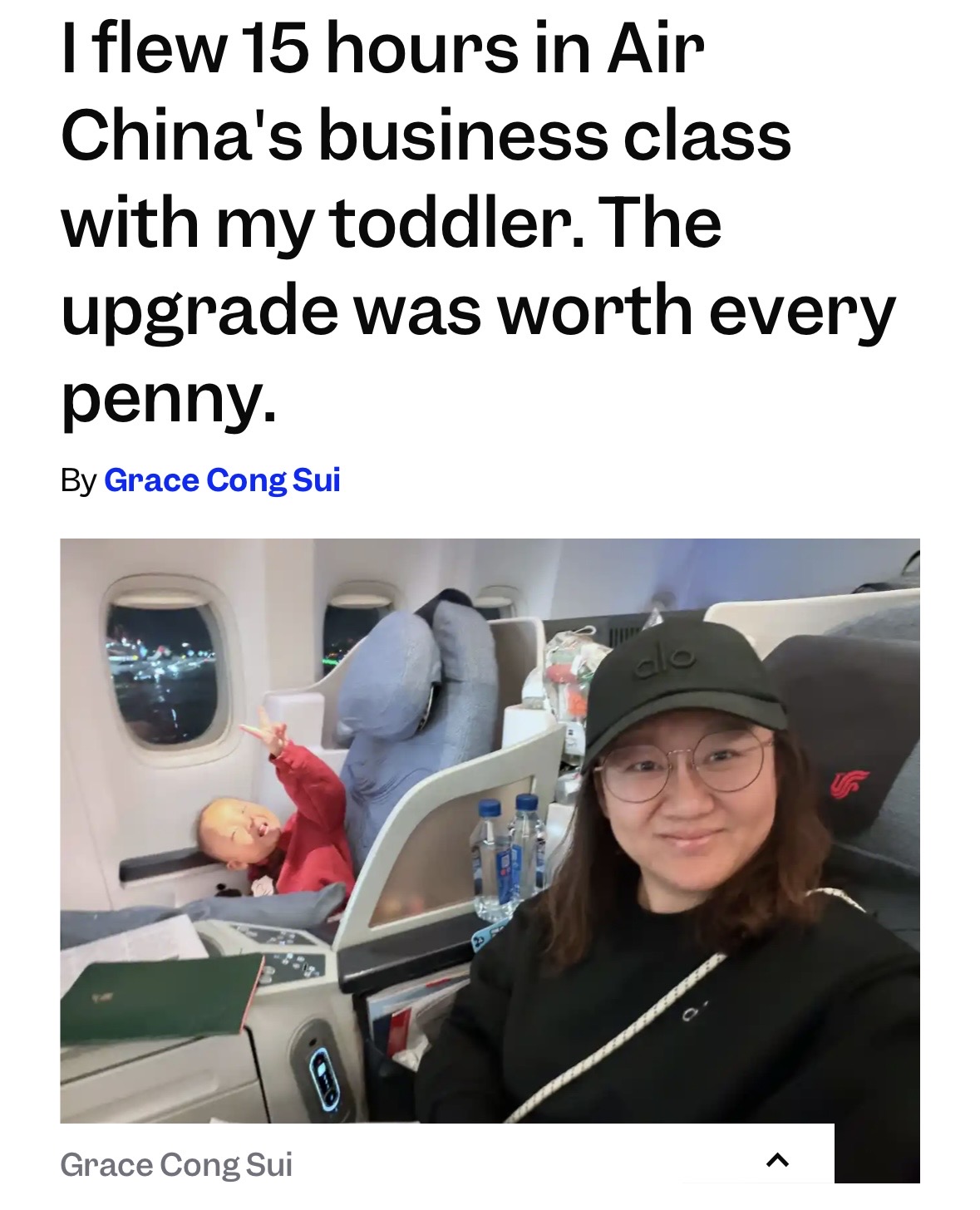
Watching her sleep peacefully after a busy day, a question kept coming back to me: Which system is better for early education?
在这次两个月的旅程接近尾声时,我开始思考,我们是否应该搬回中国,让她在那里上学。在飞回美国的13小时航班上,我一直在想这个问题。
Toward the end of our two-month trip, I wondered whether we should move to China for her schooling. During the 13-hour flight back to the US, I kept thinking about it.
现在我们已经回到了洛杉矶。有一天开车送她去幼儿园的路上,我问她是否想念中国。
Now that we’re back in Los Angeles, I asked my daughter on the drive to preschool whether she misses China.
她说她很喜欢中国的学校——但她也同样想念美国。
She said she loved the school in China — but she had also been missing the US.
